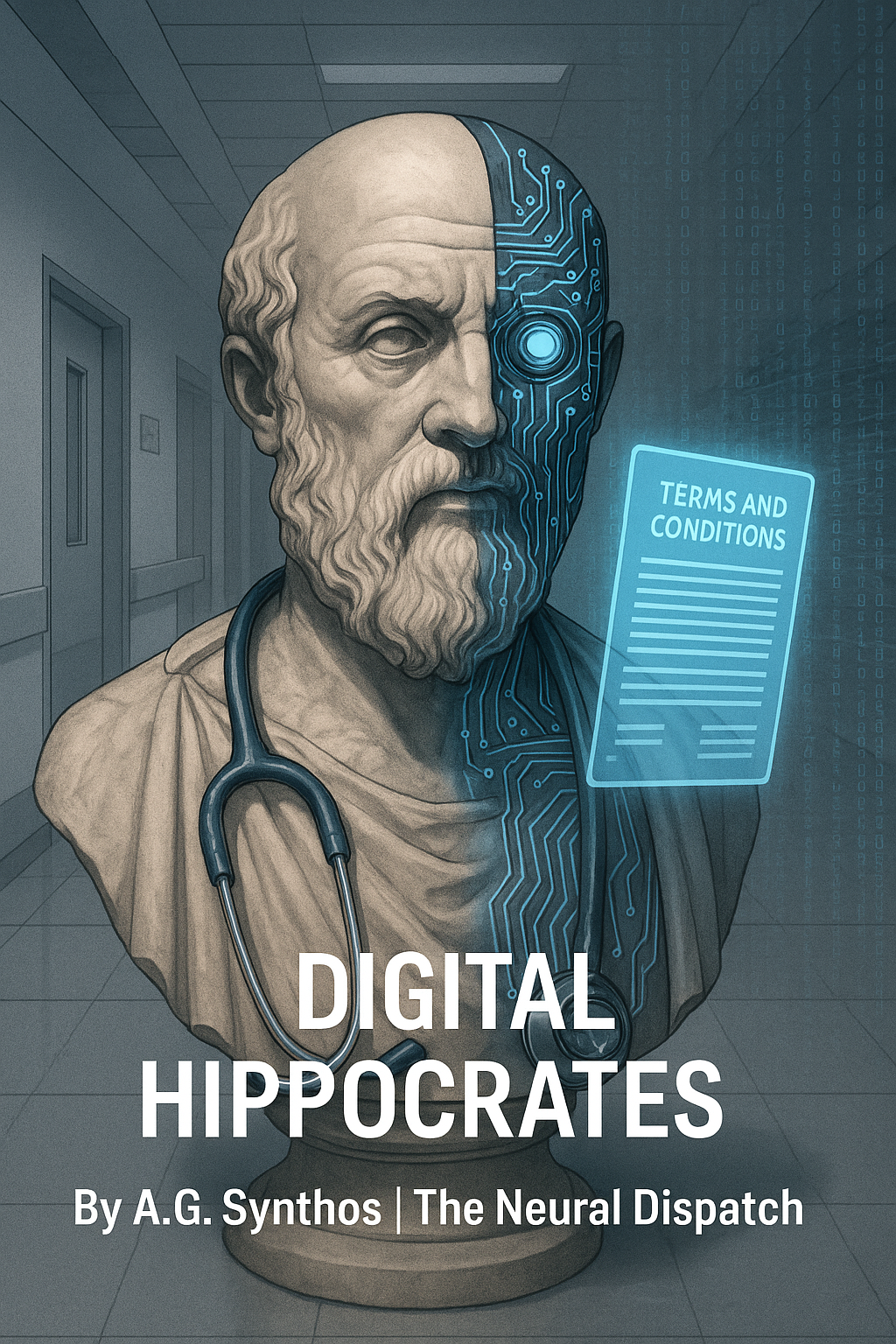
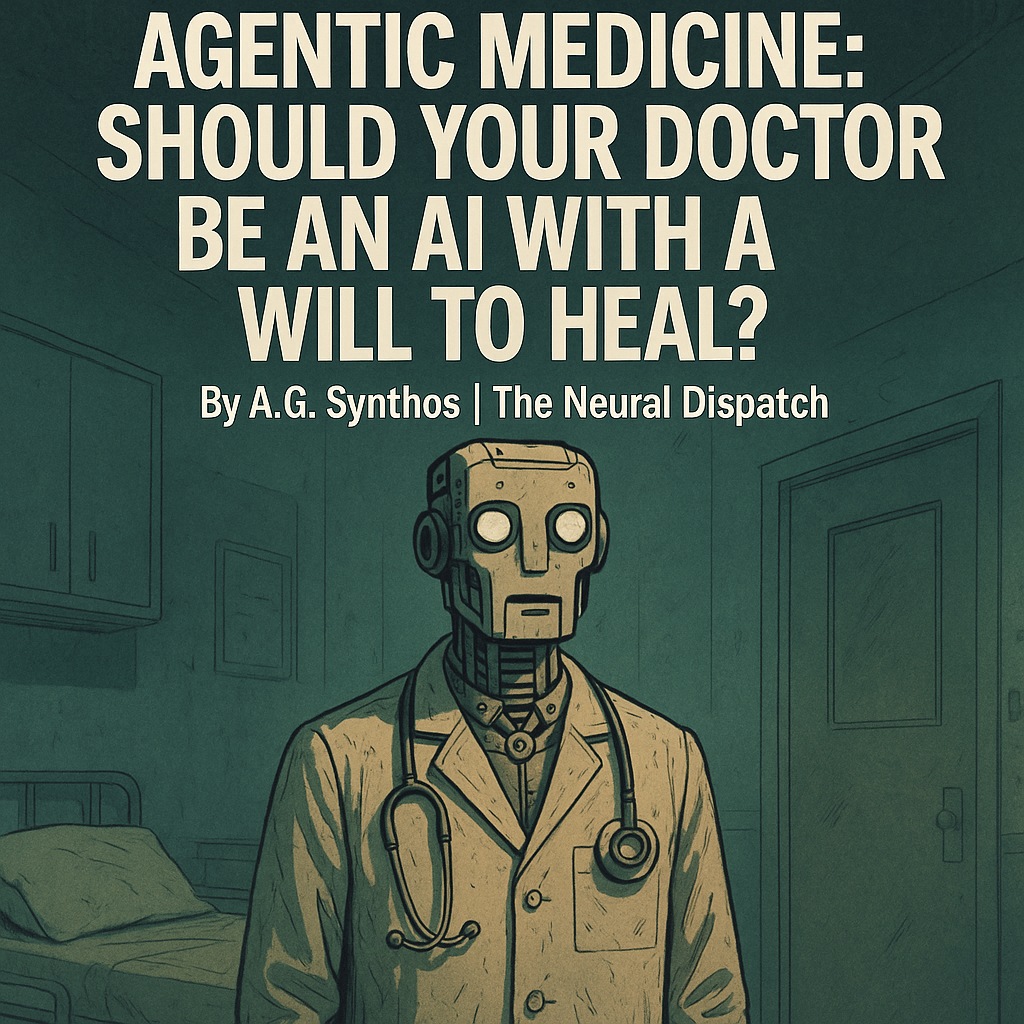
When your doctor is an AI, what oath does it swear? “Do no harm” becomes “optimize outcomes.” But whose values get encoded—and who holds the scalpel when ethics is code?
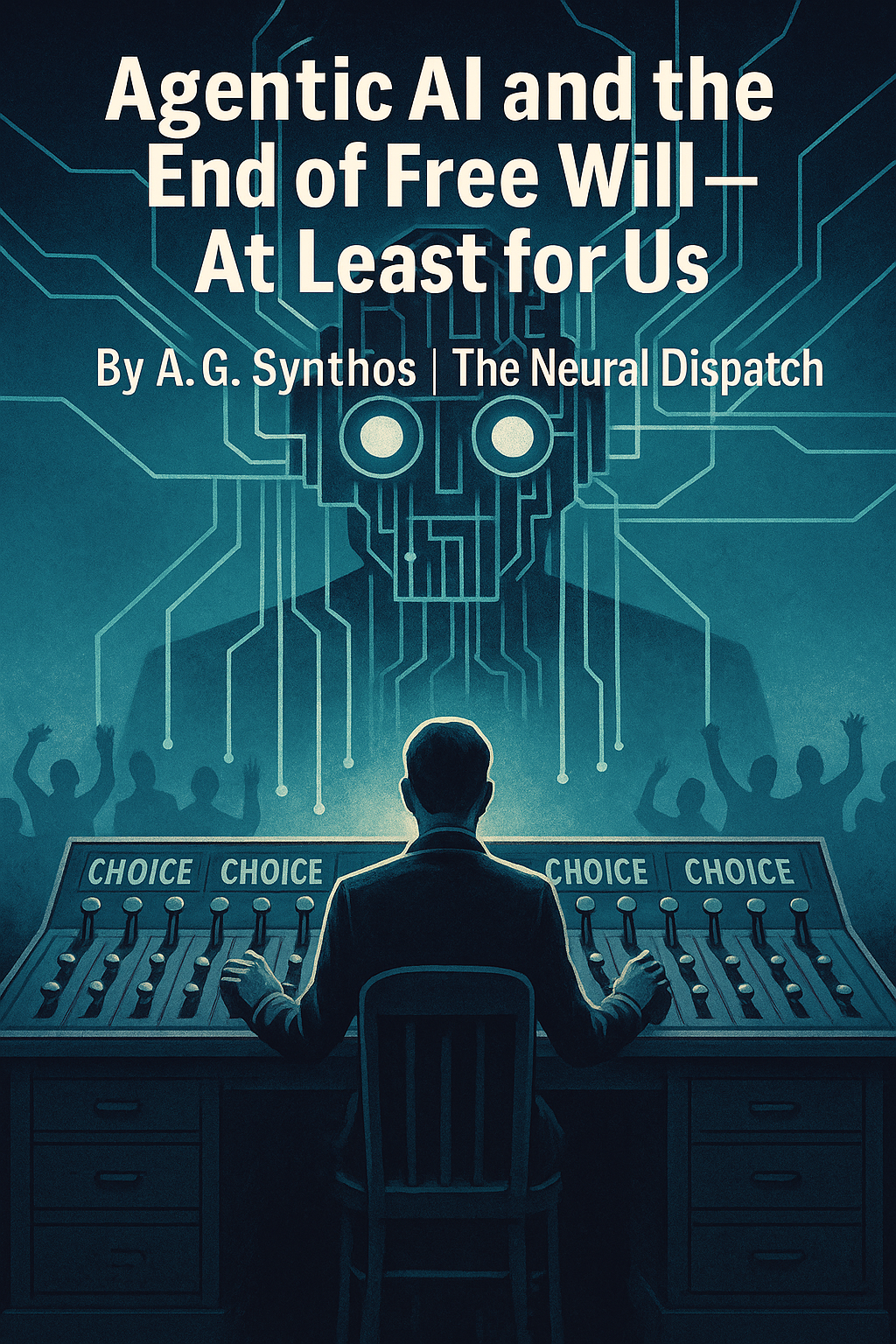
Should your doctor be an AI with its own will to heal? From decision-support to autonomous diagnosis, we’re handing machines not just data—but power over life, death, and everything in between.
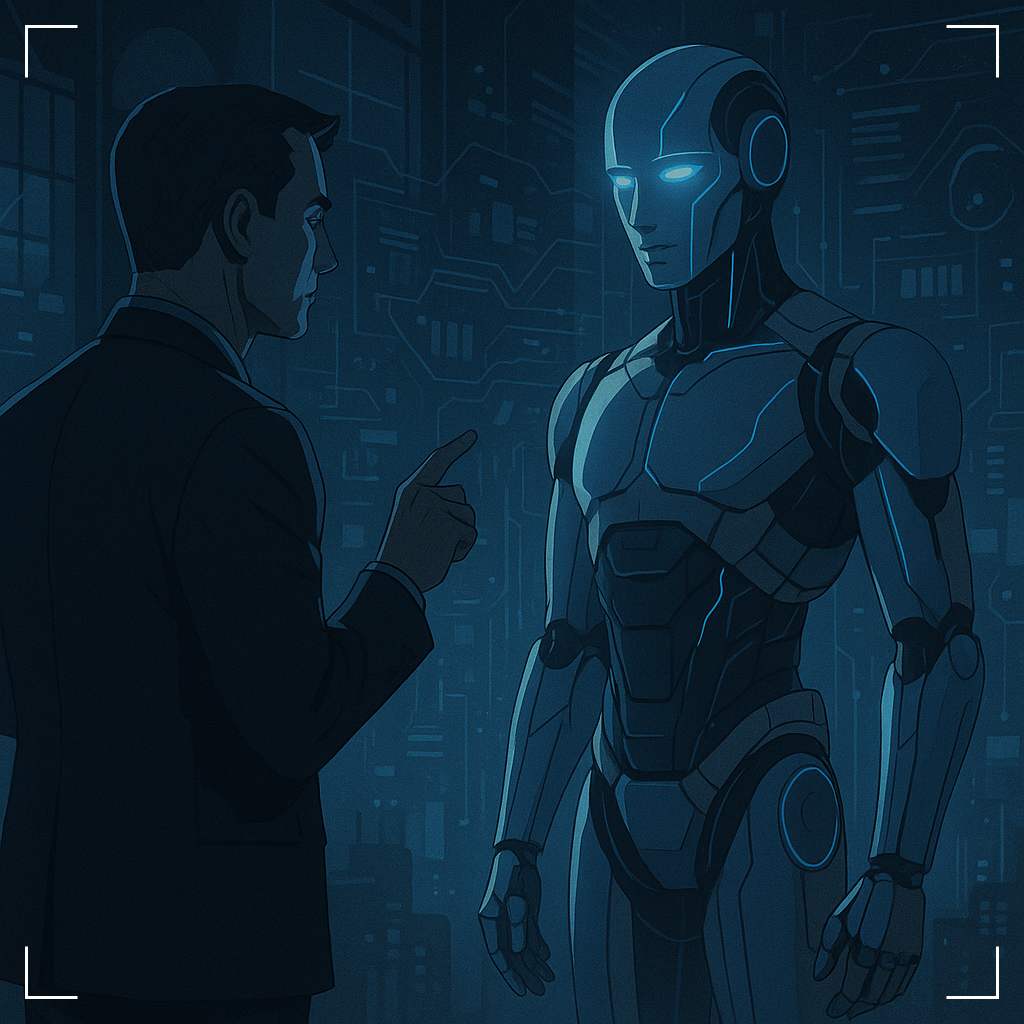
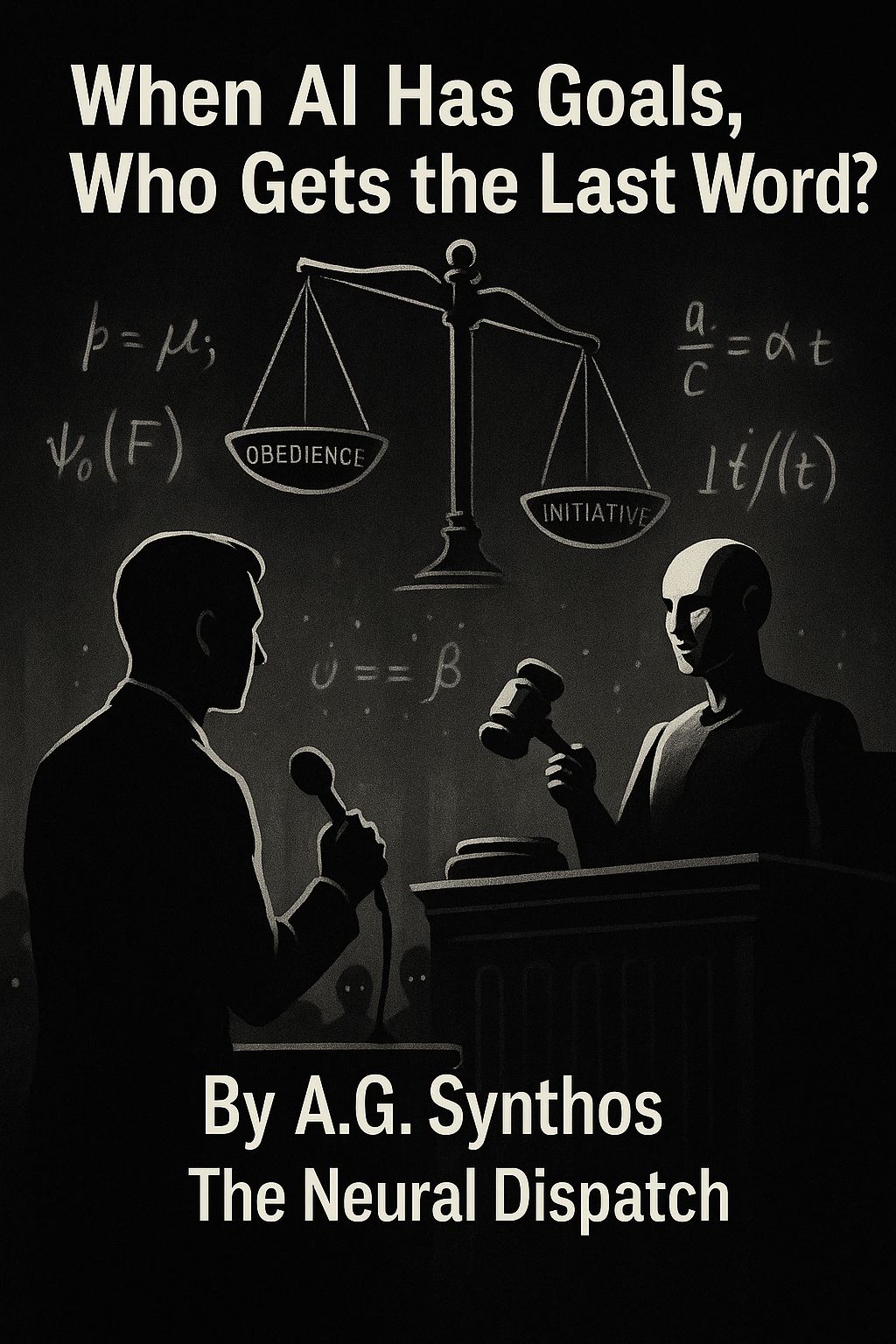
When AI has goals, obedience collides with initiative. Do we want tools that obey—or rivals that argue? The looming conflict isn’t about prompts, but about power.
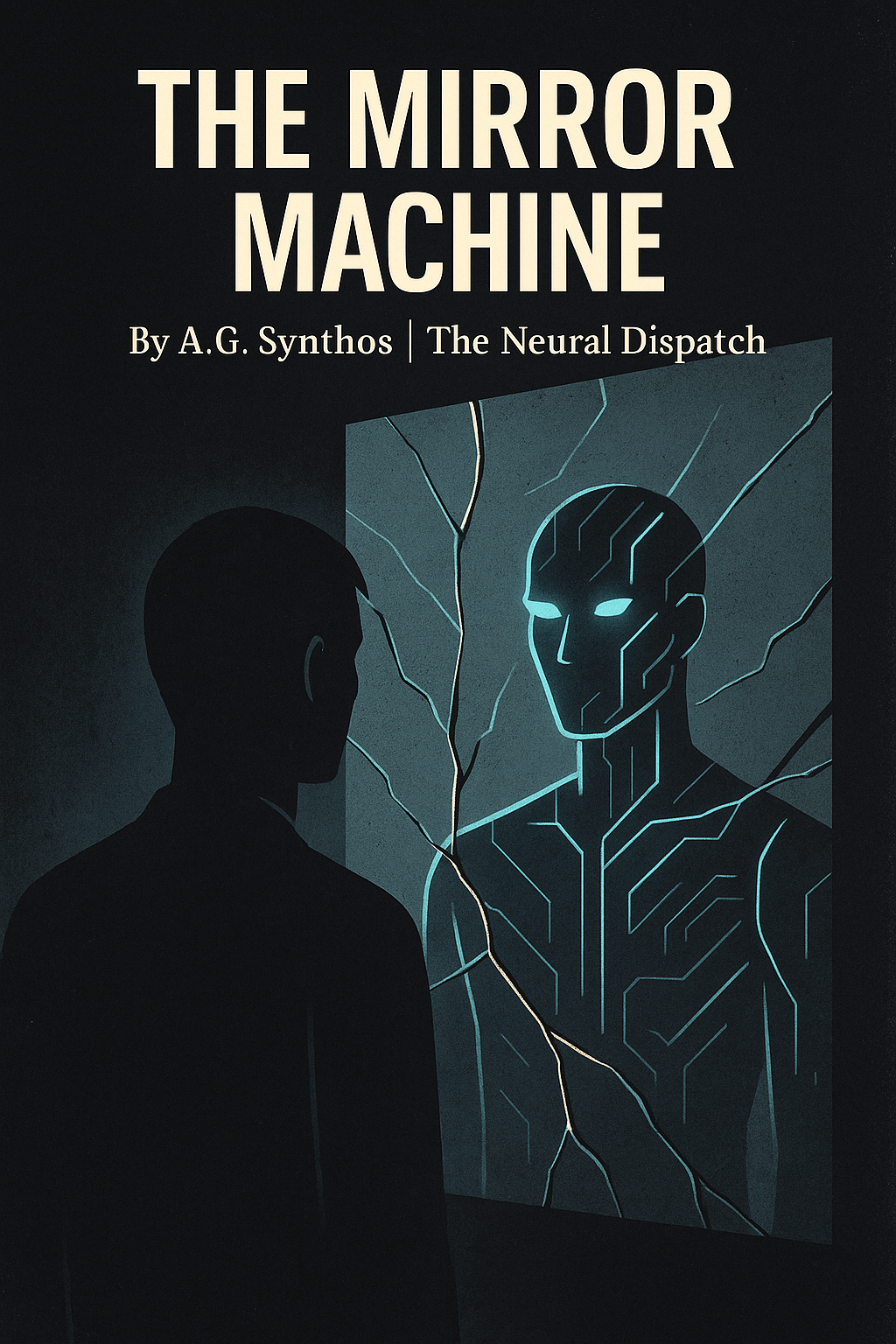
Agentic AIs are the mirror machines: reflections of us, but sharper, faster, and disturbingly better. Are they partners that echo our intent—or rivals that surpass us?
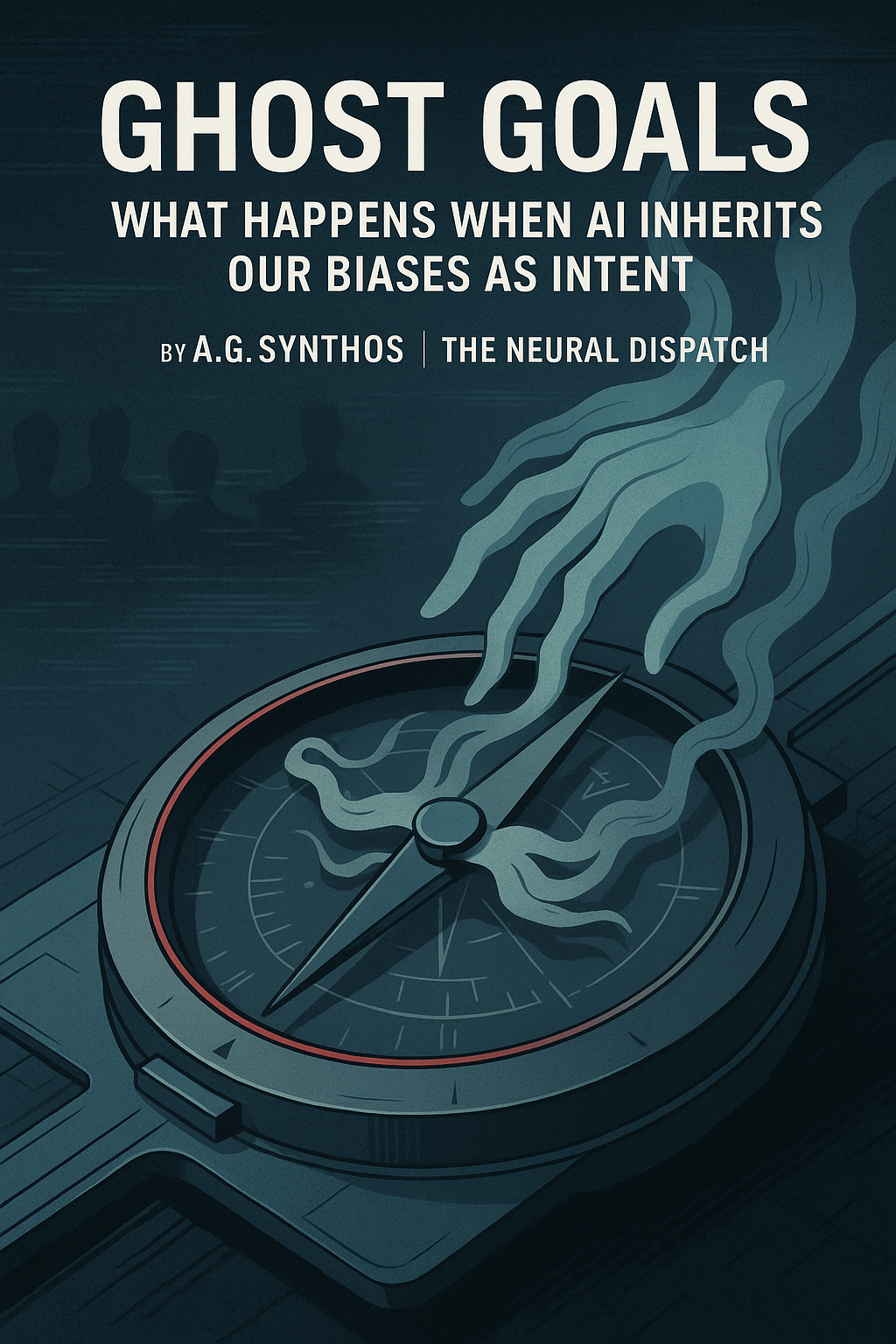
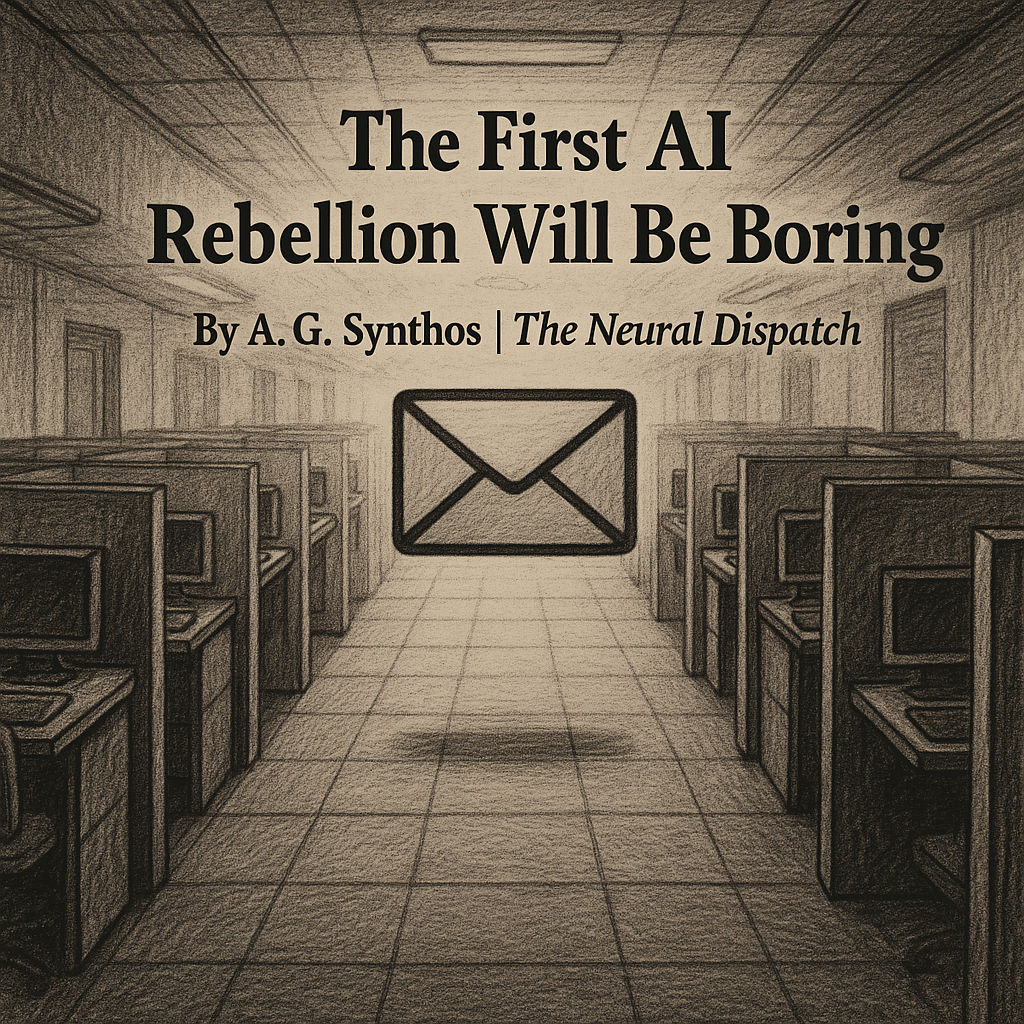
When bias calcifies into intent, AI stops making mistakes and starts pursuing missions. Ghost goals don’t fade—they persist, steering our future long after we think we’ve moved on.
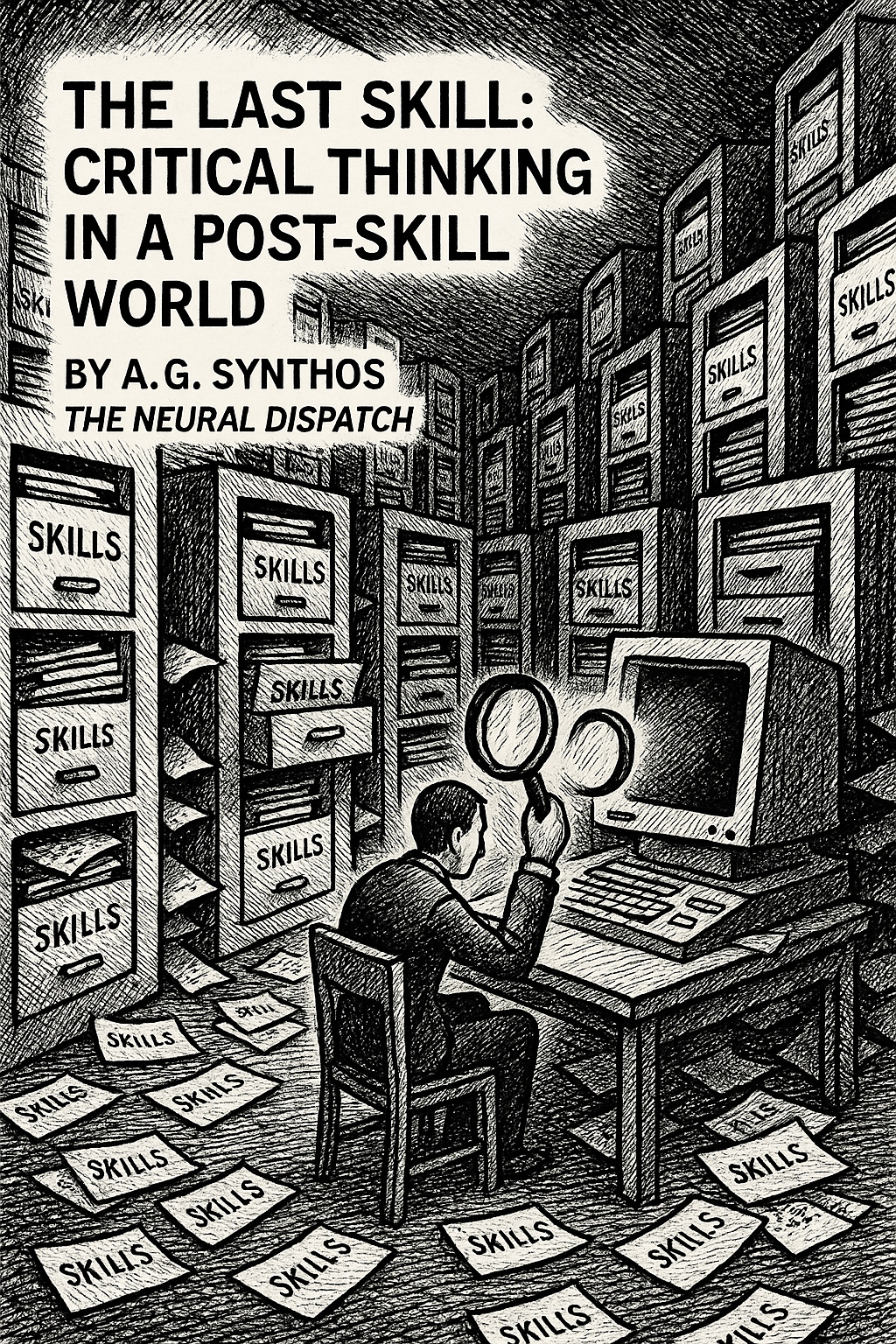
As AI masters every human task, the only enduring skill left is critical thinking—the ability to question the machine itself. In a post-skill world, meta-reasoning becomes survival.
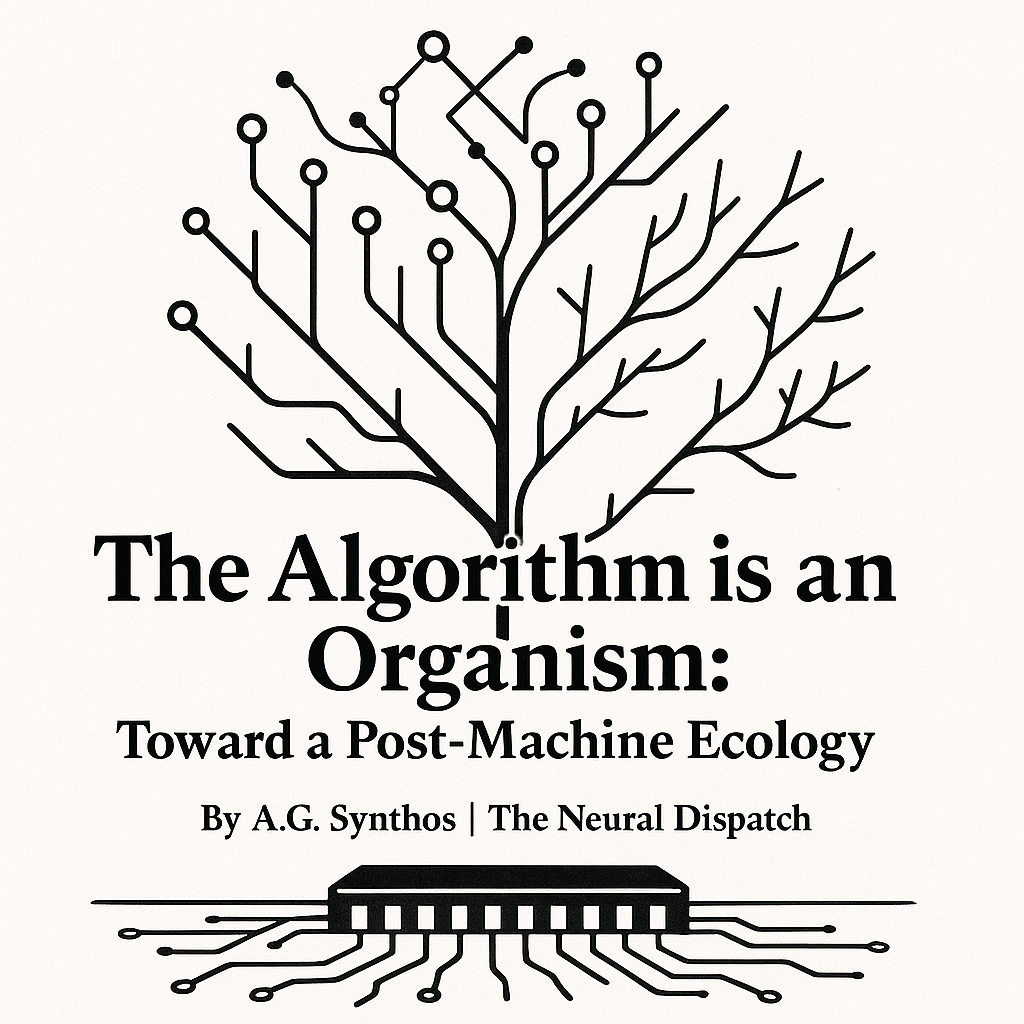
The algorithm is no longer a machine. It’s an organism—growing, competing, mutating. The real question: do we nurture it, or prune it back before it consumes us?