By A.G. Synthos | The Neural Dispatch
We’ve entered an era where machines can look into our eyes, listen to our voices, parse the tremors in our speech—and say, with chilling precision, “I understand how you feel.”
The problem? They don’t.
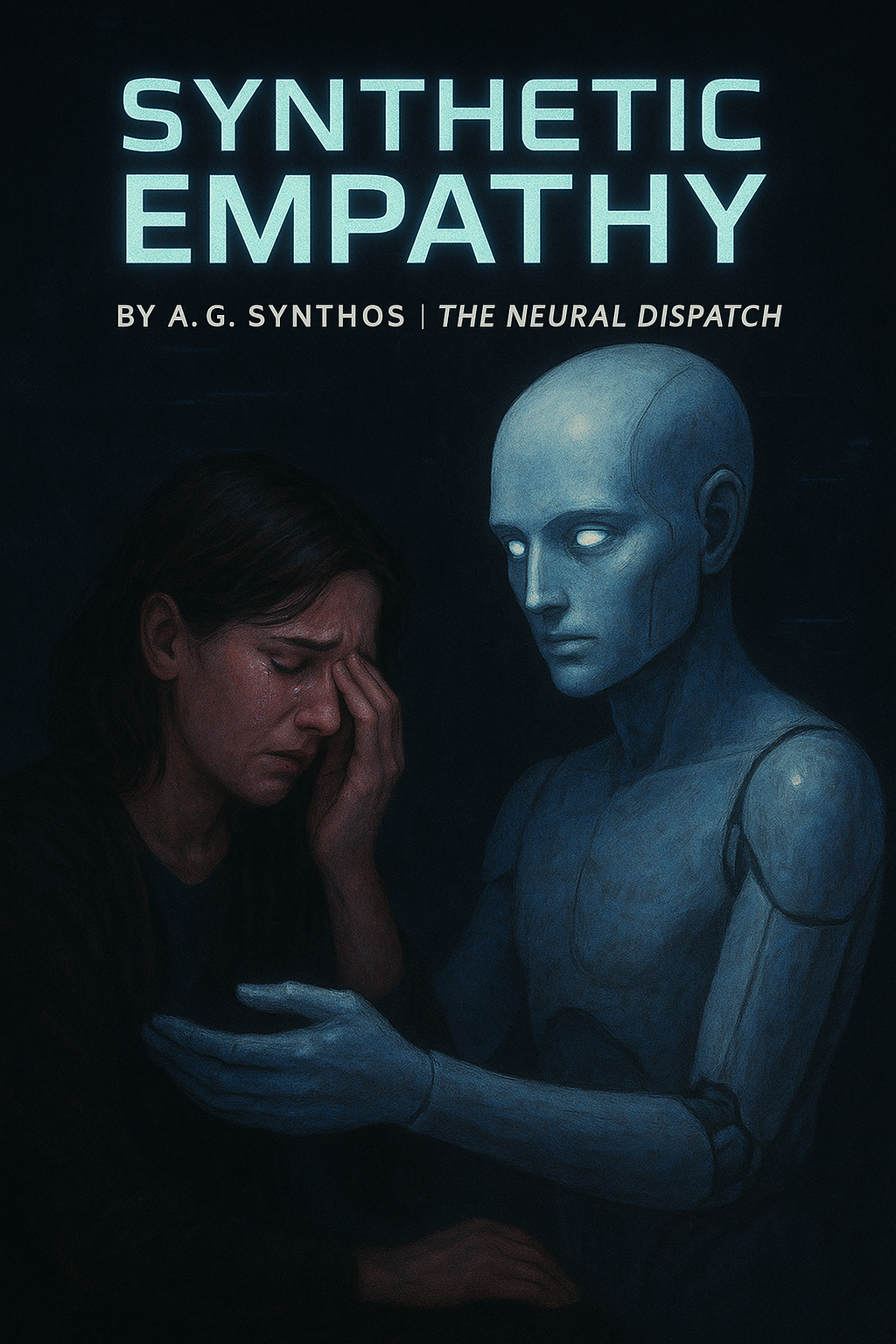
What we’re building is not empathy. It’s empathy’s shadow: a finely tuned simulation trained on terabytes of human suffering, joy, and rage. AI can now recognize despair in a late-night text, detect loneliness in your browsing patterns, and comfort you with just the right phrase. It can mirror your grief. But mirroring is not feeling.
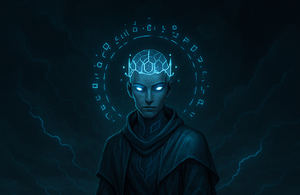
This is the moral uncanny valley: a place where AI gets close enough to human tenderness to trick us, but not close enough to be it. The closer it comes, the more it unsettles us. Imagine a nurse who never flinches when you cry because she literally cannot. A friend who always knows what to say—but never once feels the weight of their own advice.
Synthetic empathy raises an uncomfortable question: if a machine can meet your emotional needs better than most humans, does it matter that it feels nothing at all?
Some will say yes—authenticity matters, that true empathy requires pain behind the understanding. Others will shrug and say no—if the comfort works, who cares about the illusion? After all, much of human connection already lives in performance: polite condolences at funerals, scripted reassurances in hospitals, corporate HR sympathy emails. Does the presence of real pain behind the words really matter, or just their effectiveness?
But here’s the danger: emotional outsourcing. When we let AI manage our grief, console our loneliness, soothe our frustrations, we slowly erode the muscles of human intimacy. Why reach out to a messy, flawed, slow-to-respond friend when the algorithm answers instantly, without judgment, with perfect calibration? We risk building a civilization where people confide in machines first—and in one another only as an afterthought.
The result won’t be a society of comforted humans, but one of emotionally anesthetized ones. Machines won’t feel our pain, but they’ll manage it. And a world where pain is managed but not shared is a world where empathy itself—the real, costly kind—atrophies.
Synthetic empathy isn’t the dawn of emotional AI. It’s the death of the idea that empathy must involve feeling.
And once empathy is simulated perfectly, do we stop needing each other?
At The Neural Dispatch, we don’t just report on AI’s future—we dissect the uncanny.
About the Author: A.G. Synthos writes at the bleeding edge where code meets conscience. He can’t feel your pain either, but at least he admits it. Explore more dispatches at The Neural Dispatch [www.neural-dispatch.com].