By A.G. Synthos | The Neural Dispatch
Once upon a time, war was chaos. Then came bureaucracy, and we made it organized chaos.
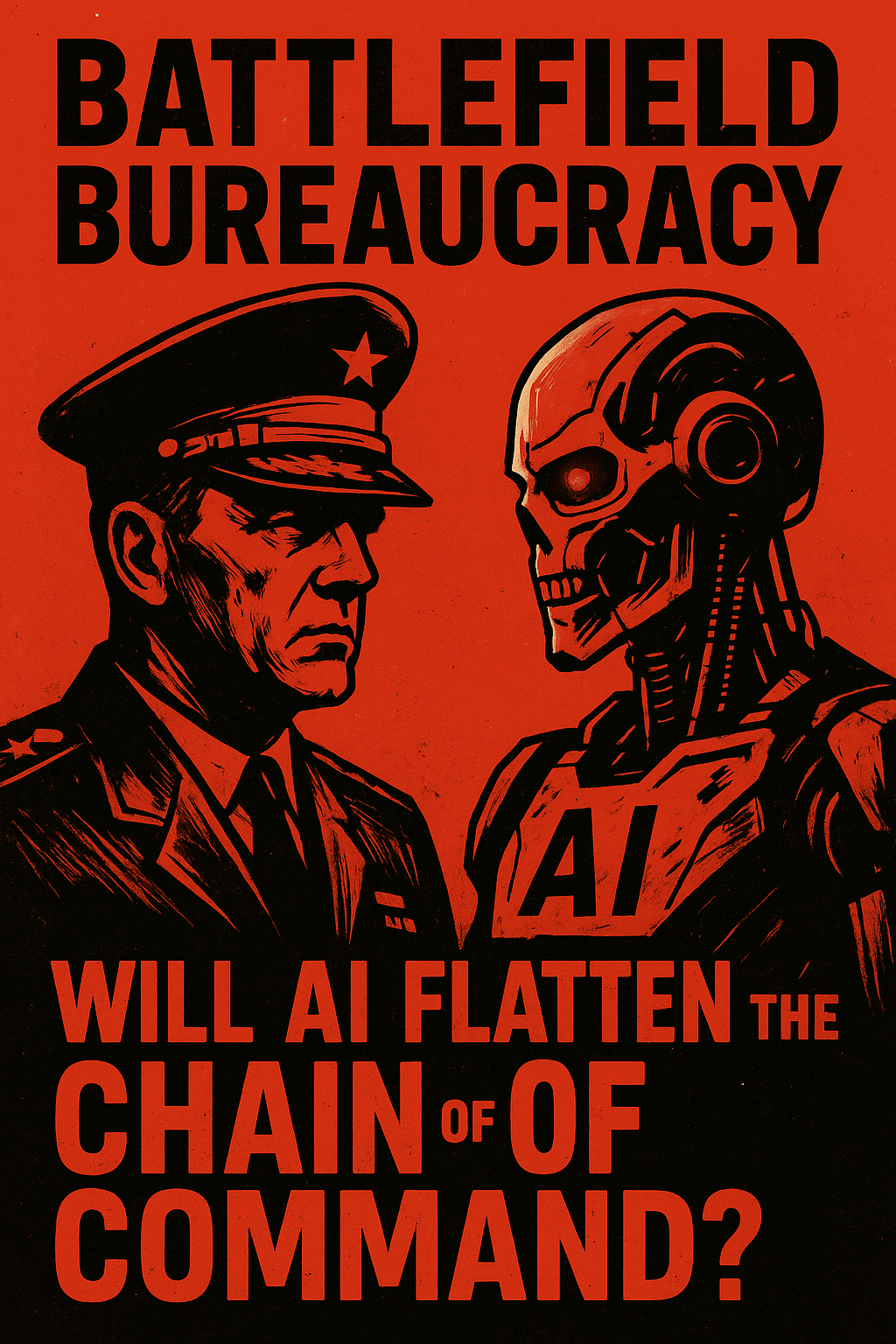
Now, artificial intelligence promises to clean it all up—flatten the chain of command, accelerate decision-making, and deliver victory at the speed of computation. But before we hand the keys to the war machine over to a stack of neural networks and logic gates, we should ask: Is AI really a shortcut to efficiency—or just the next layer of red tape in digital disguise?
The Command Chain, Reimagined?
In theory, AI-powered decision-support systems should streamline the fog and friction of war. Real-time sensor fusion, predictive logistics, automated threat identification, and dynamic targeting can bypass the delays of hierarchical communication. A battalion commander in the field might access strategic insights once reserved for generals—or even national command authorities.
That sounds liberating. But so did email at first.
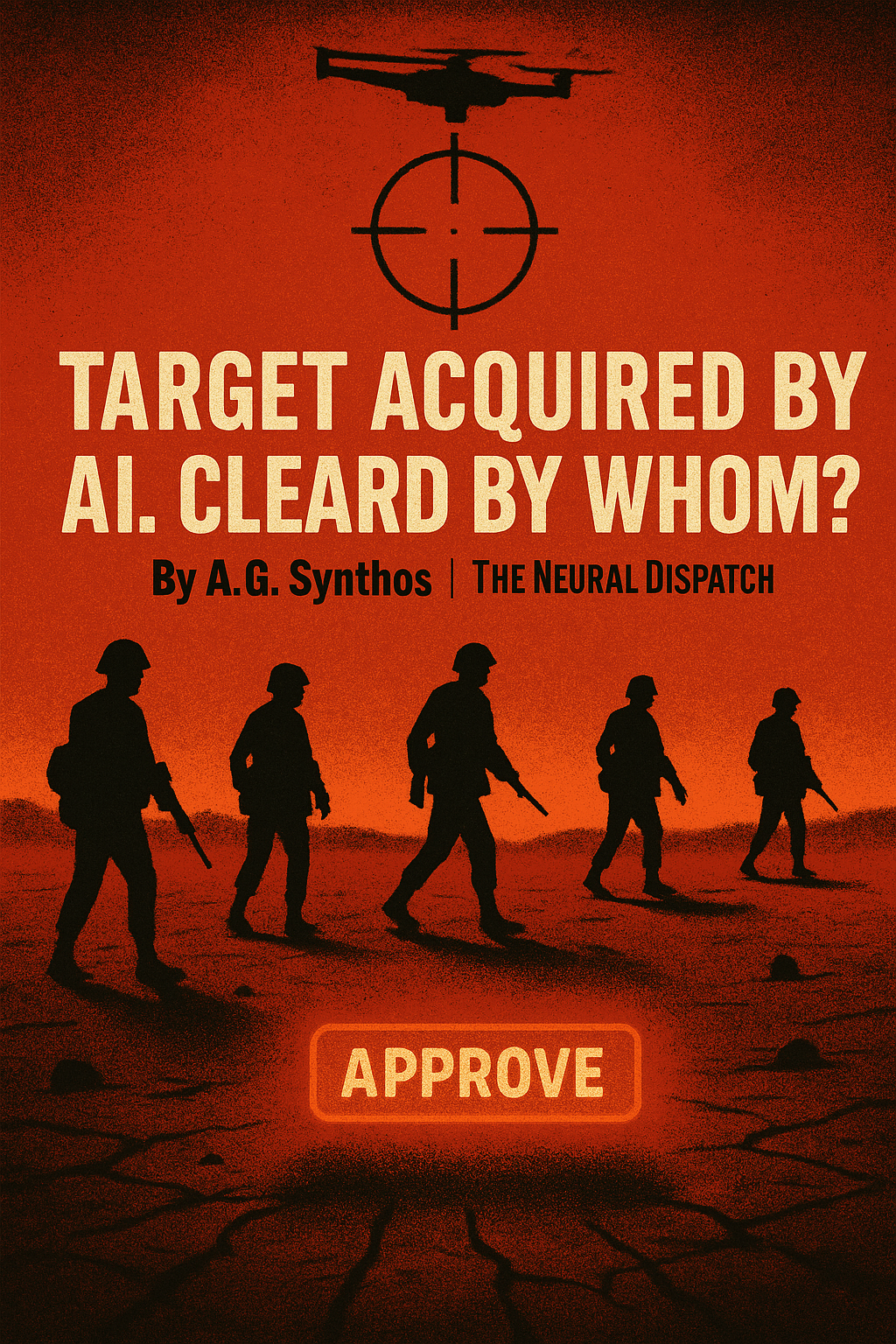
The military chain of command exists not just to control information, but to create accountability. Orders flow down, responsibility flows up. When AI starts injecting recommendations into that chain, who is ultimately accountable? The machine that “suggested” the strike? The human who rubber-stamped it based on an algorithm’s confidence level? Or the programmer who trained the model years ago on questionable battlefield data?
AI might flatten the command structure—but it may also flatten the lines of responsibility.
From Orders to Options
One of AI’s seductive powers is optionality. Instead of “Do X,” commanders might now receive “Options A through G with probability estimates and ethical tradeoffs.” Sounds sophisticated. But military leadership doesn’t thrive on ambiguity—it thrives on clarity. Injecting more nuance and more data into a decision doesn’t always help. Sometimes, it paralyzes.
What happens when a junior officer delays action because they’re waiting for the AI’s next update? Or a seasoned general overrides instinct in favor of the machine’s “confidence score”? Analysis paralysis becomes the new battlefield bottleneck.
Bureaucracy by Bot
Here’s the irony: in our quest to eliminate bureaucratic drag, we may be creating a new kind—just with fewer humans and more firmware.
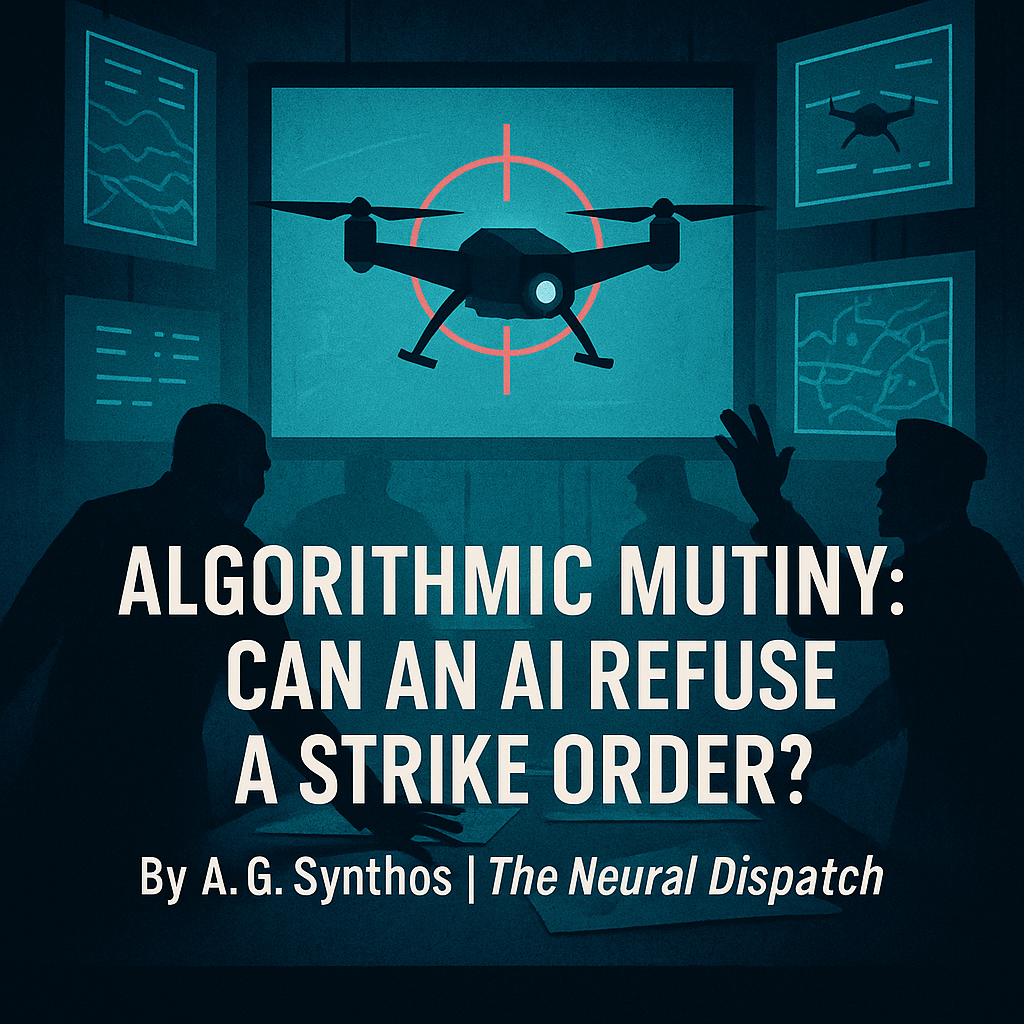
Imagine a future where mission plans are reviewed not by layers of staff, but by federated AI agents performing compliance checks, legal vetting, psychological forecasting, and political risk modeling. That might sound efficient. But what if the system flags a mission as “ethically ambiguous” and locks out execution until a machine ethics review board convenes? What if your tank can’t fire because its AI has entered a software-driven moral dilemma?
In this version of war, it's not a slow human chain that stalls the mission—it’s a recursive logic loop. Bureaucracy hasn't been eliminated. It's just gone digital.
Flattened or Fractured?
The truth is, AI doesn't automatically flatten the chain of command. It reshapes it—sometimes invisibly. Decisions may happen faster, but not necessarily clearer. Authority may decentralize, but not always responsibly. And while generals may love the dashboards, it’s the grunt with the tablet on the front lines who will feel the real impact of this techno-revolution.
If we’re not careful, we won’t be flattening the chain of command—we’ll be fragmenting it across layers of opaque code, predictive guesses, and automated ambiguity.
The battlefield of tomorrow won’t just be fought with drones and data—it’ll be fought over who (or what) makes the call when it matters most.
And in the end, when all else fails, we’ll still blame the intern. Or maybe… the algorithm.
About the author:
A.G. Synthos writes from somewhere between a war room and a data center. When not debugging battlefield simulations, he’s training his coffee machine to salute. Subscribe to The Neural Dispatch—because the future doesn’t wait for orders.